Vehicle Hire and Sales - Repairs - Workshop
APPROVAL ON A WIDE RANGE OF PROJECTS



%201.webp)


Home / Commercial Change of Use: Vehicle Hire/Sales/Repairs
Our firm solely serves clients across New South Wales. With a strong history and over 3000 successful projects completed, our team have worked extensively with local council, enhancing project success rates.
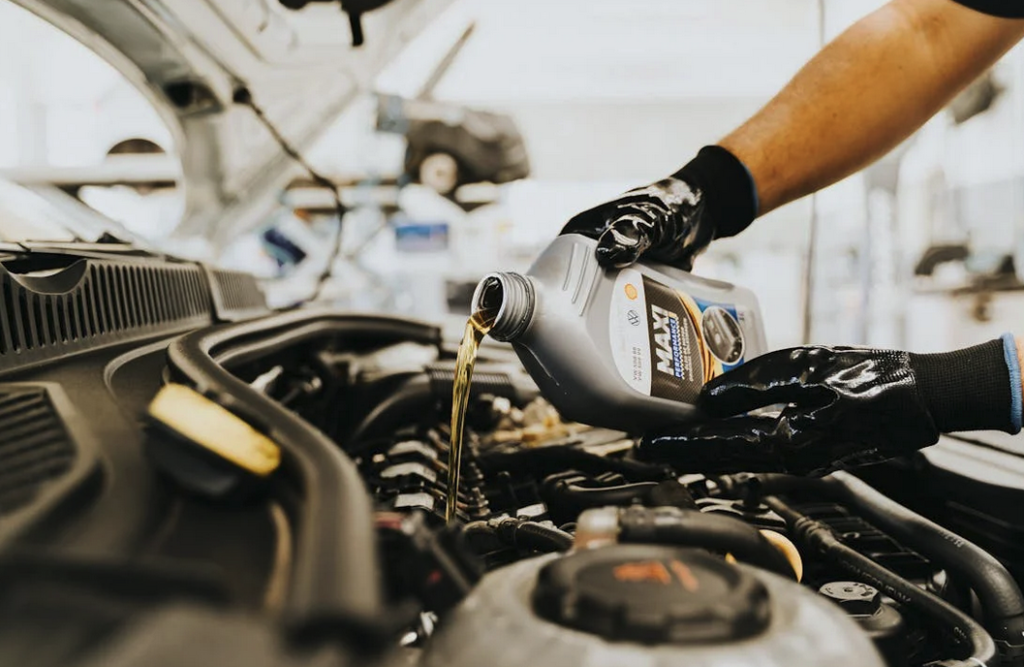
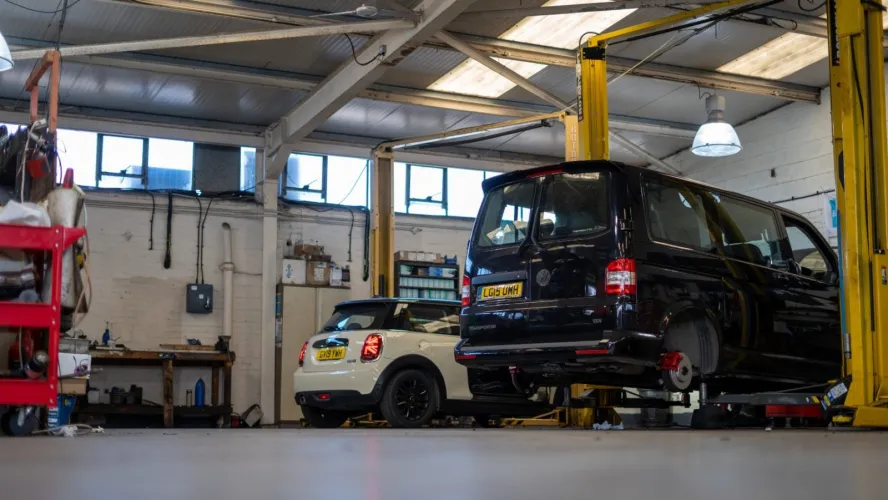
When applying for a Development Application (DA) for the commercial change of use to establish a vehicle hire, sales, or repair facility, councils require specific documentation due to the unique operational needs and potential environmental impacts of automotive businesses. These facilities often involve large volumes of vehicles, frequent movement in and out of the premises, and activities that may produce noise, emissions and waste. Below is an outline of essential documents typically required for a DA of this nature, with a focus on the distinct considerations for vehicle-related businesses.
The Statement of Environmental Effects (SEE) is a fundamental document that assesses the potential impacts of the vehicle business on the local environment and community. This report should cover expected vehicle movements, noise levels from equipment, the impact of lighting on the surroundings and any emissions generated by the business. It should also outline mitigation strategies, such as designated parking areas, dust control and noise-dampening measures, to ensure the business operates in harmony with neighbouring properties.
A Site Layout and Traffic Flow Plan provides a clear representation of how the property will be organized, including designated areas for parking, display and repair. This plan is critical for vehicle-related businesses as it illustrates the flow of traffic within the site, ensuring safe and efficient movement of vehicles without disrupting neighbouring properties or local roads. Councils rely on this plan to assess whether the site layout meets safety and traffic standards, particularly if the business is located near a busy street or residential area.
The Architectural and Facility Plans are essential for showcasing the building’s layout, including the workshop, customer service area, offices and storage zones. For vehicle repair facilities, the plans should include specifications for ventilation systems, waste storage, and safety barriers. Councils review these plans to ensure that the facility design supports safety and compliance with building codes, particularly in areas that may handle hazardous materials or machinery.
A Noise Impact Assessment is crucial for vehicle repair and sales facilities, which typically generate noise from mechanical tools, car engines and equipment. This report should evaluate potential noise sources and outline control measures to mitigate impact, such as soundproofing walls, setting operational noise limits or limiting hours of high-noise activities. Councils require this assessment to ensure the business does not disrupt the local environment, particularly if it’s close to residential or noise-sensitive areas.
A Stormwater and Drainage Management Plan is essential, especially for vehicle facilities, as runoff from washing, maintenance or repair areas could contain pollutants. This plan should outline how stormwater will be collected, treated, and discharged, with measures to prevent contamination from oil, grease or other automotive chemicals. Councils use this plan to ensure that the facility manages water runoff responsibly, preventing contamination of local waterways and meeting environmental protection standards.
A Waste Management Plan is critical for automotive businesses due to the unique waste generated, including oil, tires, batteries, and metal parts. This plan should include waste segregation, storage, disposal, and recycling methods, and address any hazardous waste handling procedures to comply with environmental regulations. Councils assess this plan to verify that waste is managed safely and that the business minimizes its environmental impact.
An Air Quality Management Plan may be required, particularly for repair facilities, to address any emissions from exhaust, spray painting, or chemical use. This plan should outline ventilation systems, exhaust filtering methods, and chemical storage protocols to minimize air pollution. Councils require this document to confirm that the facility complies with air quality standards and will not negatively affect the surrounding community.
A Traffic and Parking Impact Assessment evaluates the anticipated vehicle traffic to and from the facility, as well as the demand for parking. This assessment should consider peak usage times, designated areas for customer and service vehicle parking, and any potential impact on nearby roads. Councils rely on this report to ensure that the business will not cause congestion or create unsafe traffic conditions, especially if located near high-traffic areas.
For vehicle hire, sales, or repair businesses, councils may request further documents depending on the specific operations, site conditions, or proximity to sensitive areas.
projects@approveall.com.au | (02) 8000 9150 Contact us today >



Guaranteed Approval. Free 30-minute Expert Consult
Connect with our planning experts. Complete the form below and we will be in touch.